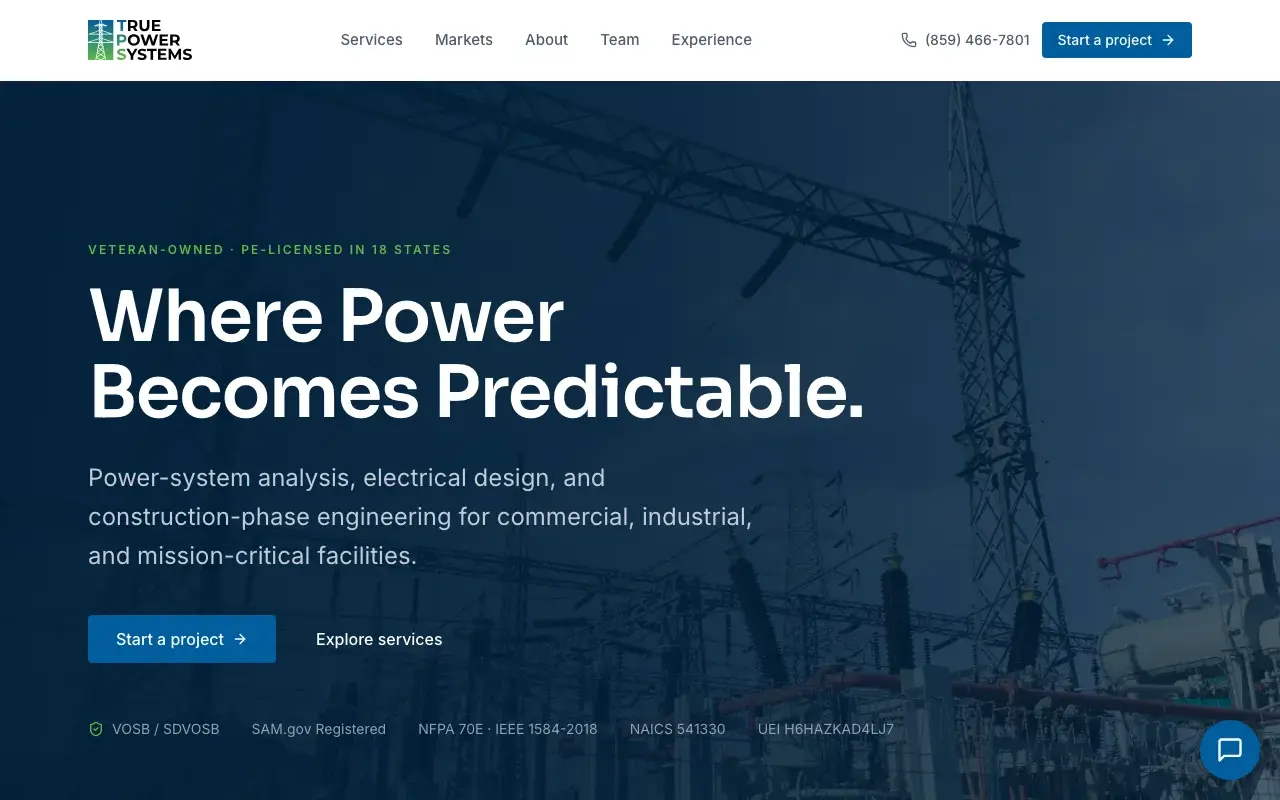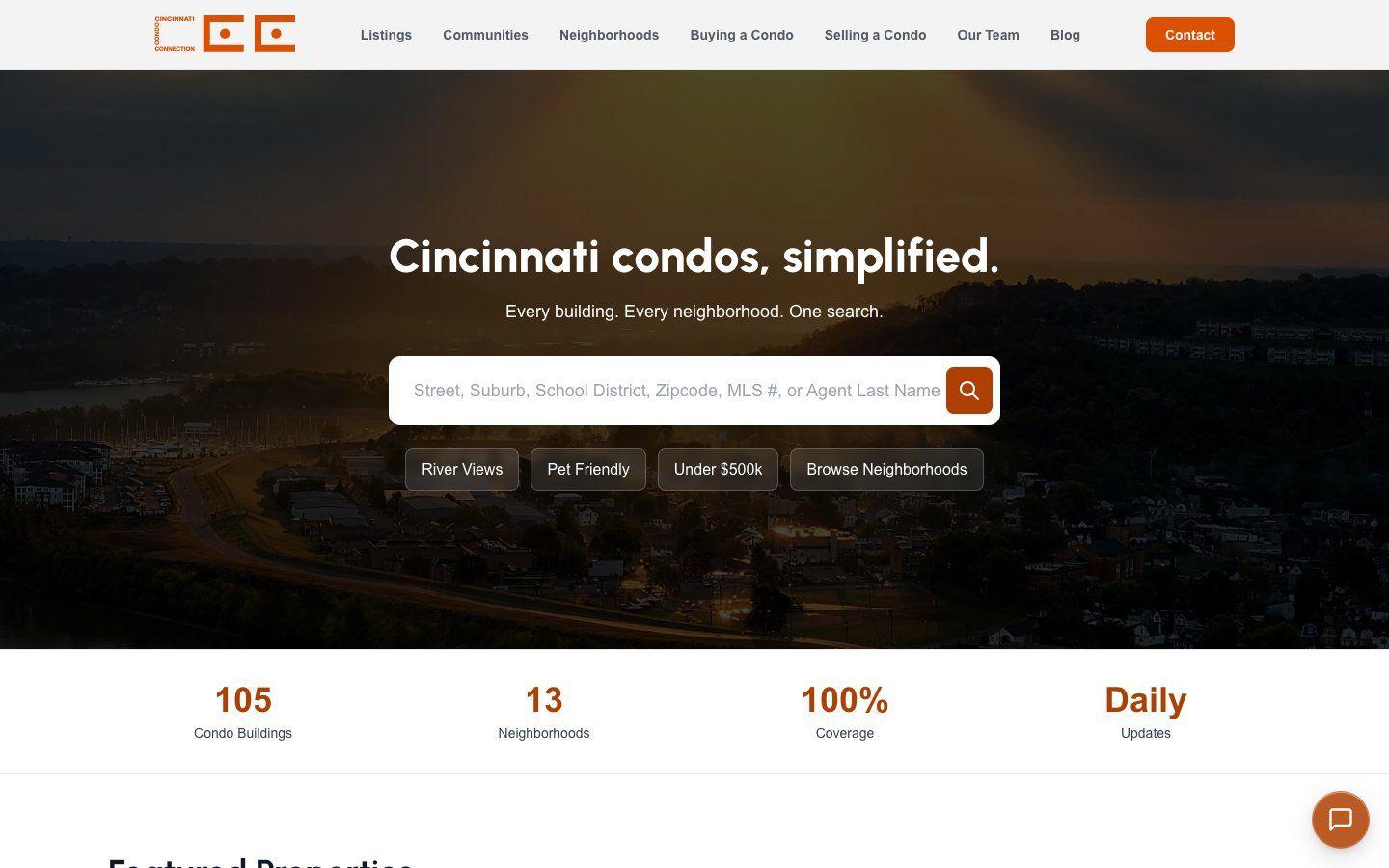
We rebuilt Watson Heating + Cooling from a one-page Squarespace site into a high-performance Next.js platform
A 39-page rebuild focused on speed, SEO readiness, accessibility, and long-term ownership.
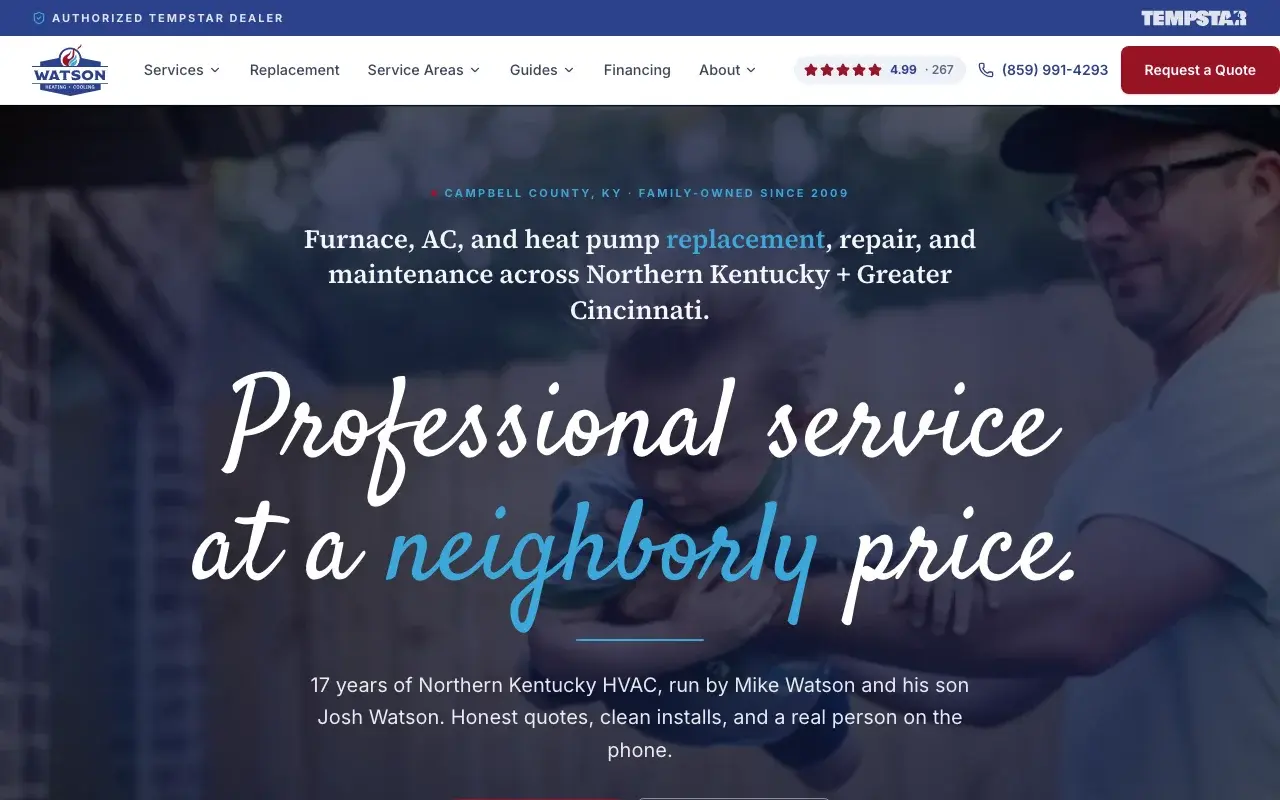
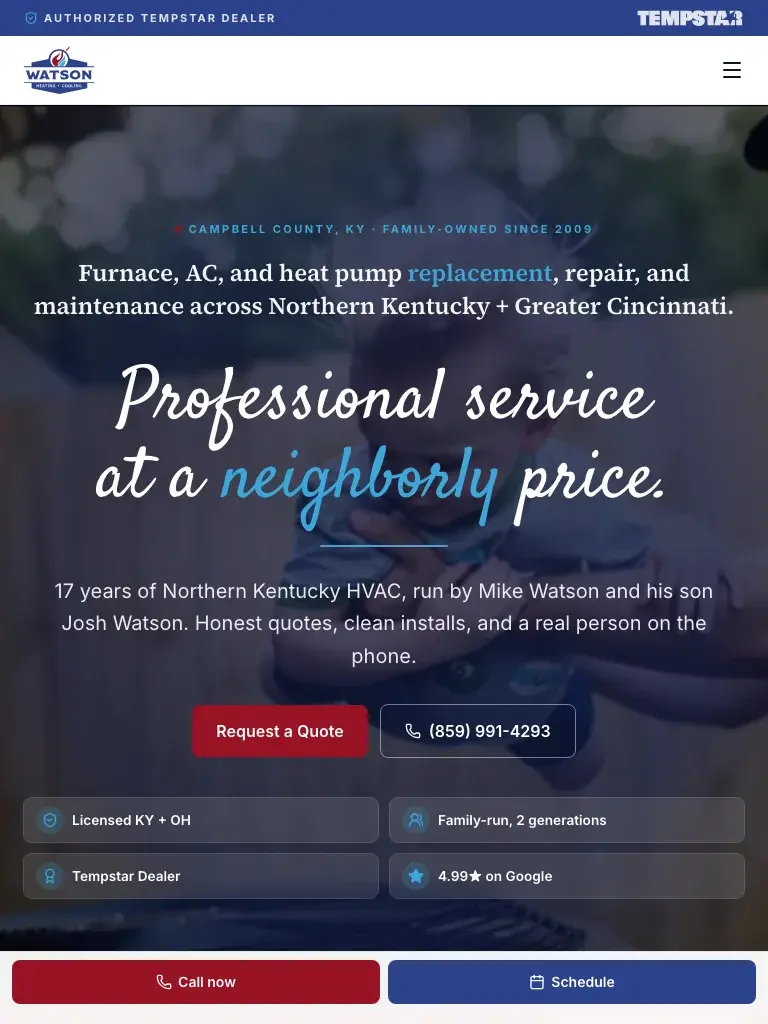
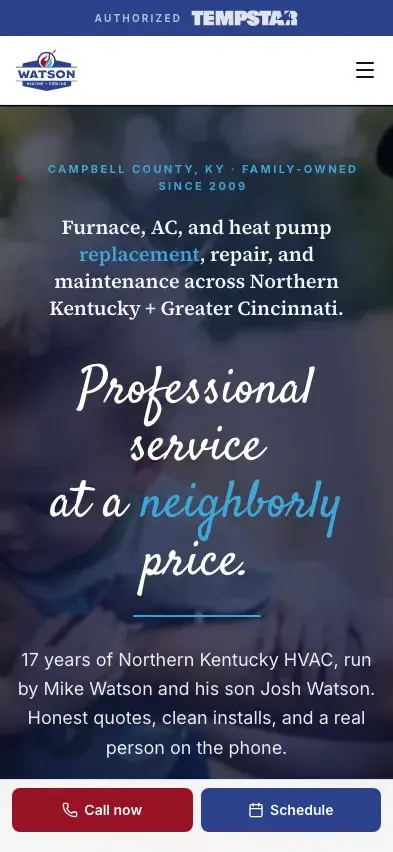
Watson Heating + Cooling came to us with a one-page Squarespace site, where eight services, a nine-slide review carousel, the service plan, the gallery, and the contact form all shared a single URL. We migrated the site to a custom Next.js build, delivered near-perfect Lighthouse scores, and gave the business a dedicated page for every service and every service area.
View live site- Website Migration
- Next.js Development
- Technical SEO
- Performance Optimization
- UX Content Structuring

01HeatAct 1 of 4
Where the heat was.
We gave Watson Heating + Cooling a search-ready service website that made its HVAC services and service areas easier to find and act on.
Watson Heating + Cooling's services, reviews, service plan, gallery, and contact form were all contained on one page. The site gave search engines few relevance signals and gave visitors little direction to take action.
The problem
Three things stood in the way.
What the work had to clear, and how each one was cleared.
Challenge 1: The whole site lived on one page
Eight services, a nine-slide review carousel, the service plan, the gallery, and the contact form were all sections of a single URL. Every visit landed on the same document no matter what the visitor came for, and there was no page-level structure to optimize.
How we cleared it
We rebuilt the site in Next.js with route-based code splitting, image optimization, and a leaner front-end architecture designed for fast rendering.
ResultThe rebuilt site scores 100/100 on desktop Lighthouse Performance (median of 3 runs, September 7, 2026).
Challenge 2: The old site had weak SEO foundations
The single page carried one title and an empty meta description for the whole business, so search engines had almost no clear relevance signals to read. There was no page for furnace repair, and no page for Fort Thomas, that could rank on its own.
How we cleared it
We restructured the information architecture, implemented semantic page layouts, improved metadata control, and created a crawl-friendly Next.js build with server-rendered content.
ResultThe rebuilt site scores 100/100 on desktop Lighthouse SEO (median of 3 runs, September 7, 2026) and has a far stronger technical foundation for indexing.
Challenge 3: The homepage lacked clarity and conversion direction
The original site analysis indicated that the homepage did not clearly explain what the business did, lacked trust signals, and offered no strong calls to action.
How we cleared it
We redesigned the homepage around a clearer value proposition, service summaries, trust-building sections, and stronger CTA placement to guide users toward contact and service actions.
ResultThe new experience gave the brand a clearer sales narrative and a more conversion-oriented structure.
Before and after
The Transformation
The site Watson Heating + Cooling had, and the one they have now.
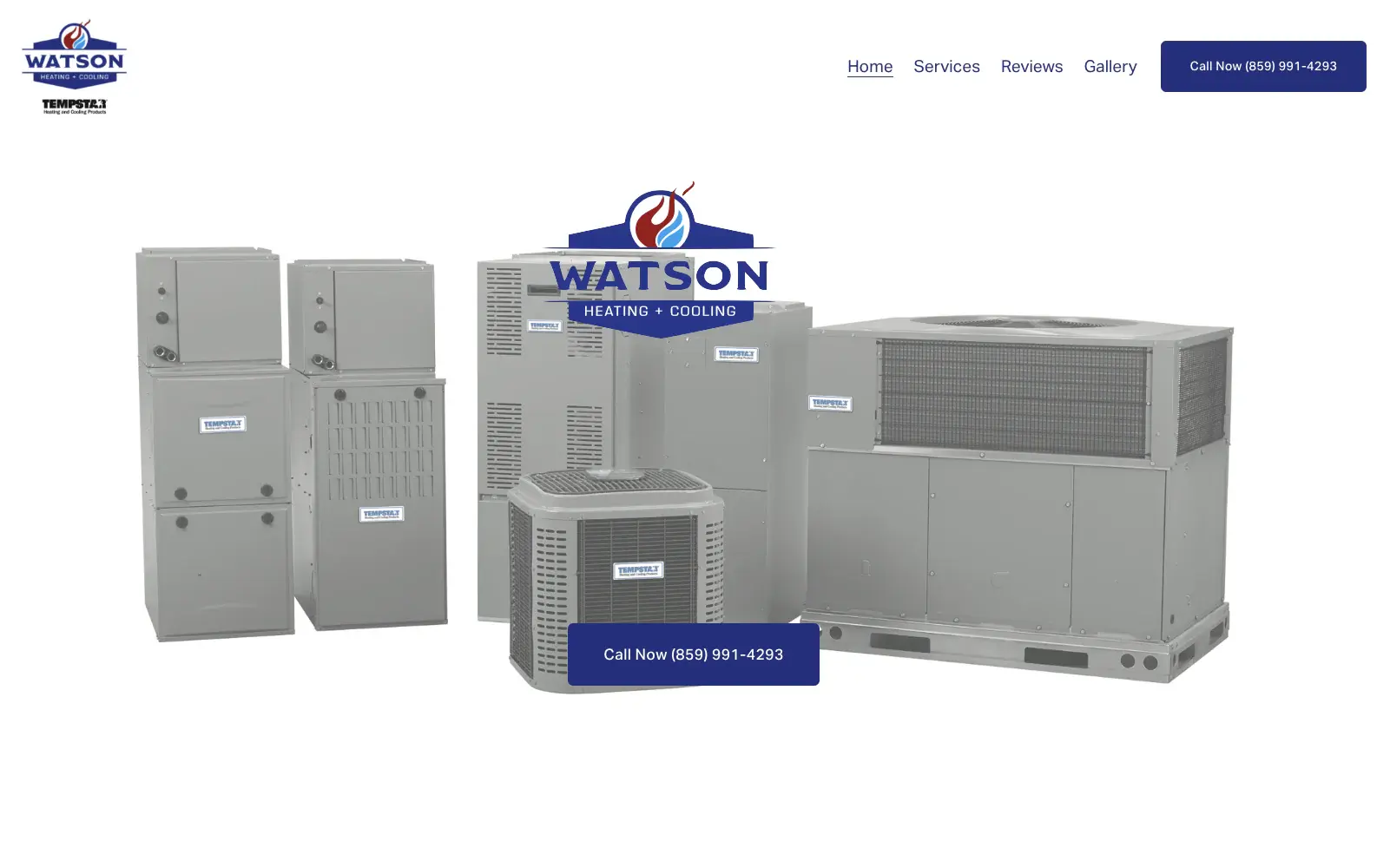
Before: Watson Heating + Cooling project: before the redesign, Squarespace (Original). After: Watson Heating + Cooling project: after the redesign, Next.js (Rebuilt).

Build history
Project timeline.
How the work unfolded, with the decisions, releases, and deliverables recorded along the way.
01Milestone
Platform audit and migration planning
We started by cataloguing everything the existing one-page Squarespace site carried, documenting structural gaps, and mapping the full migration path into a custom Next.js application.
Clearschallenge 01: The whole site lived on one page
Handed over
- Content inventory of the existing one-page site
- Page inventory for 39 URLs
- Migration roadmap
- Technical architecture plan
02Milestone
Content and UX restructuring
We reorganized the site around clearer messaging, stronger service hierarchy, and conversion-focused page flows so visitors could immediately understand the business and take action.
Clearschallenge 03: The homepage lacked clarity and conversion direction
Handed over
- Homepage content structure
- Service page framework
- CTA placement strategy
- Trust signal and section planning
03Milestone
Custom Next.js development
We rebuilt the website in Next.js using a component-based system built for performance, maintainability, and scalability.
Handed over
- Next.js application build
- Reusable React components
- Responsive front-end implementation
- Optimized routing and rendering setup
04Milestone
Technical SEO and accessibility implementation
We layered in semantic structure, metadata controls, accessibility improvements, and best-practice front-end implementation to strengthen search readiness and usability.
Clearschallenge 02: The old site had weak SEO foundations
Handed over
- Metadata implementation
- Semantic heading structure
- Accessibility refinements
- Technical SEO QA
05Milestone
Launch, QA, and performance validation
Before launch, we tested the site across key pages and validated the final build against Lighthouse benchmarks.
Handed over
- Cross-page QA
- Launch checklist
- Lighthouse validation
- Post-launch handoff
The structure
How the site is laid out.
39 pages structured across 5 content categories.
The materials
Six tools in the build.
What the finished site runs on, and what each piece is there to do.
- NNext.jsFramework
We used Next.js to deliver server-rendered performance, scalable routing, and a stronger SEO foundation than the previous Squarespace build.
- RReactFrontend Library
We built the interface in React to create reusable components and a maintainable front-end system.
- JJavaScriptLanguage
We used modern JavaScript to power the site's interactive front-end behavior and application logic.
- HHTML5Markup
We implemented semantic HTML to improve accessibility, structure, and search engine readability.
- CCSS3Styling
We used modern CSS for responsive layouts, visual consistency, and polished presentation across devices.
- LLighthousePerformance Audit
We used Lighthouse as a validation benchmark and measured performance, SEO, accessibility, and best practices on desktop (median of 3 runs, September 7, 2026).

The checks
Measured on the finished build.
Desktop Lighthouse, measured September 7, 2026.

The outcome
What the finished work is doing.
The outcomes the project produced, with the source of each number beside it.
The handover
Five things we delivered.
The work that went into the finished build, and what each part of it covered.
- 01
Squarespace to Next.js Migration
We migrated Watson Heating + Cooling off Squarespace and rebuilt the site as a custom Next.js application with a dedicated page for every service and every service area.
- Full page-by-page migration
- URL structure planning
- Platform transition strategy
- Future-ready architecture
- 02
Custom Website Development
We developed a responsive, component-based front end tailored to the client's brand and service business needs.
- Custom React components
- Responsive layouts
- Reusable section system
- Scalable page templates
- 03
Technical SEO Implementation
We rebuilt the site with better metadata control, semantic structure, and search-friendly rendering to improve discoverability over time.
- Meta title and description framework
- Semantic heading hierarchy
- Search-friendly page structure
- Technical SEO QA
- 04
Performance Optimization
We engineered the site for fast delivery and efficient rendering across all 39 pages.
- Image optimization
- Code splitting
- Lean front-end delivery
- Performance-focused build strategy
- 05
UX and Conversion Structuring
We clarified the homepage narrative and service presentation so visitors could quickly understand the offer and move toward contact actions.
- Clearer hero messaging
- Service summary sections
- Trust-building content blocks
- Strategic CTA placement
The record
The project, on one sheet.
The facts of the engagement, for the record.
- Industry
- HVAC Services
- Website
- watsonhac.com
- Delivered in
- 6 weeks
- Launched
- April 22, 2026
Need a website that works as hard as your HVAC team?
We help heating and cooling companies move beyond limiting platforms and launch fast, search-ready websites built to generate trust and service inquiries.