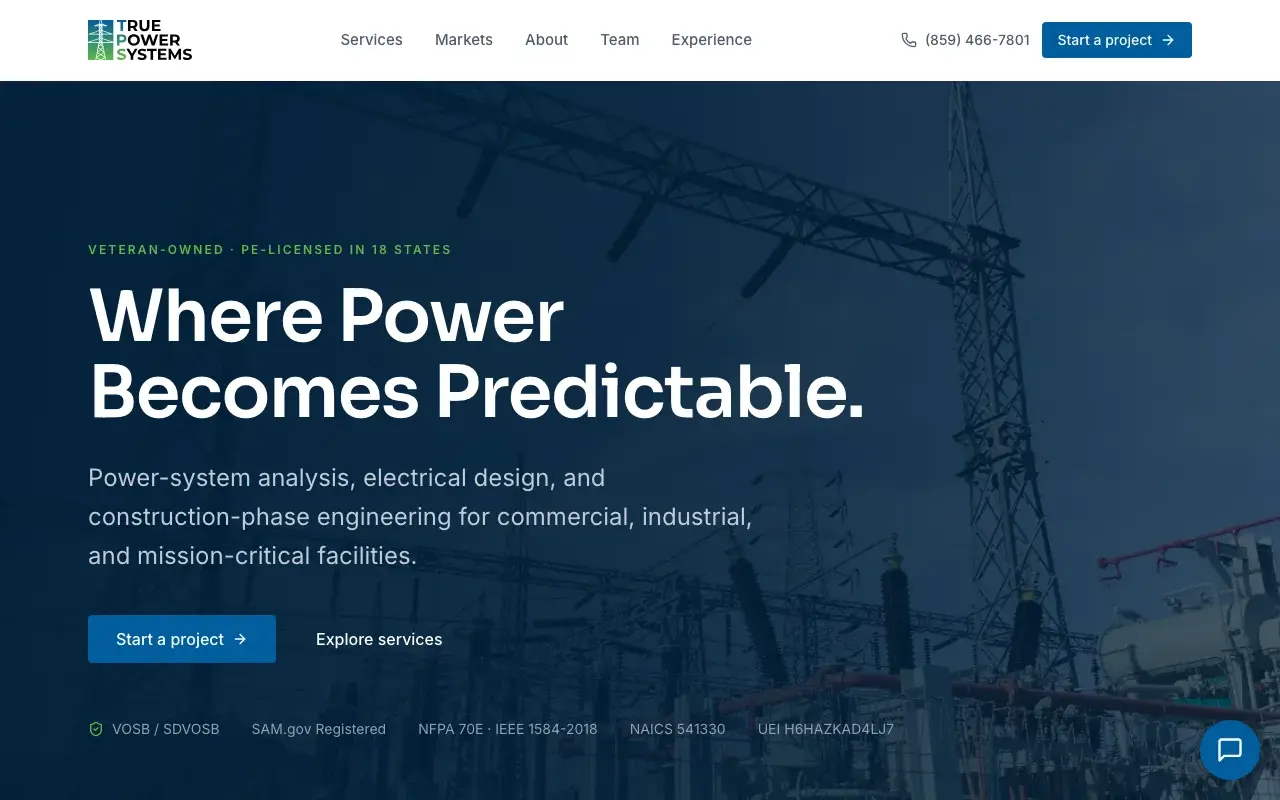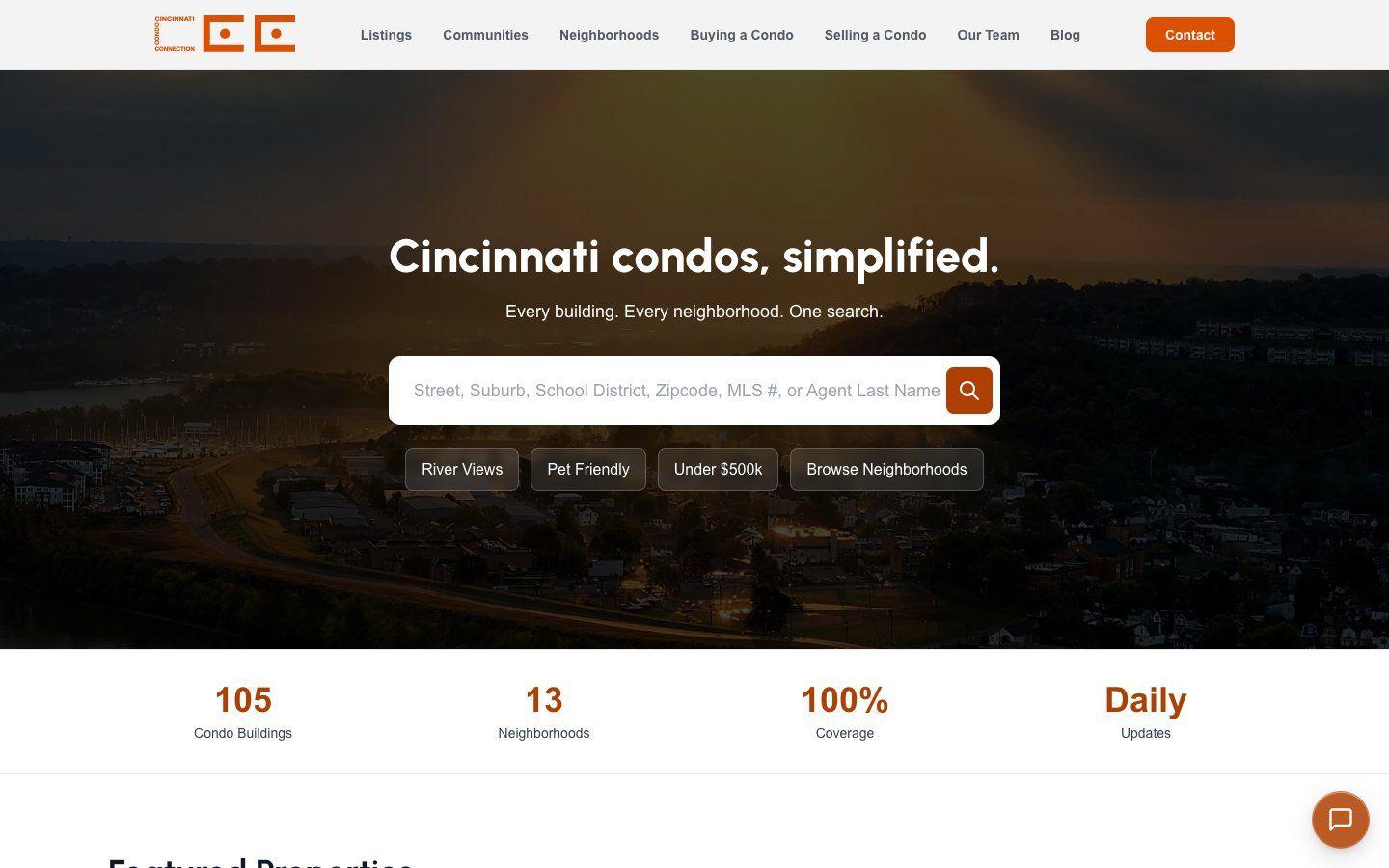
We rebuilt Advance E&C from WordPress into a faster, cleaner Next.js site
Upforge replaced a plugin-heavy WordPress setup with a modern React application built for clarity, speed, and easier growth.


Advance E&C came to us with an existing WordPress presence that limited performance, security, and content structure. We rebuilt the site as a Next.js application with a stronger technical foundation and a presentation better suited for an engineering and construction business.
View live site- WordPress To Next.js Migration
- Front-end Engineering
- Performance Optimization
- SEO Foundation
- Responsive Web Design

01HeatAct 1 of 4
Where the heat was.
We gave Advance E&C a clearer, faster foundation for moving engineering and construction prospects toward direct inquiries.
Advance E&C came to us with a WordPress site whose plugins, PHP rendering, and rigid theme made performance and clear service messaging harder to manage. Security maintenance also consumed attention.
The problem
Four things stood in the way.
What the work had to clear, and how each one was cleared.
Challenge 1: WordPress plugin bloat slowed the experience
The old WordPress stack depended on plugins and theme assets that added page weight and made performance harder to control.
How we cleared it
We rebuilt the front end in Next.js with route-based code splitting, optimized assets, and only the JavaScript each page needed.
ResultAdvance E&C received a leaner site that loaded more predictably for prospects reviewing the business.
Challenge 2: PHP rendering made response times harder to manage
The prior site relied on server-rendered PHP pages and database-dependent output, which limited caching options and increased TTFB risk.
How we cleared it
We used Next.js rendering patterns that allowed static and server-rendered routes to be optimized per page.
ResultThe site became better suited for fast delivery across service pages, company content, and contact paths.
Challenge 3: The theme architecture limited content clarity
The WordPress theme made it difficult to structure clear service messaging, proof points, and calls to action without fighting templates.
How we cleared it
We rebuilt the page system around reusable sections for hero content, service summaries, trust signals, and contact prompts.
ResultThe client gained a more structured digital presence that explains the business instead of relying on a rigid theme.
Challenge 4: Security maintenance consumed attention
WordPress required constant patching across core files, plugins, and theme dependencies to reduce exposure.
How we cleared it
We removed the public WordPress runtime and delivered a Next.js application with a smaller attack surface.
ResultAdvance E&C got a site that's easier to maintain and less dependent on third-party plugin updates.

Build history
Project timeline.
How the work unfolded, with the decisions, releases, and deliverables recorded along the way.
01Milestone
Audit the legacy WordPress site
We reviewed the existing platform constraints, including plugin weight, theme rigidity, PHP rendering, and content gaps.
Handed over
- Platform audit
- Migration plan
- Content structure review
02Milestone
Rebuild the information architecture
We organized the site around clearer navigation, page hierarchy, and reusable content sections that fit an engineering and construction brand.
Clearschallenge 03: The theme architecture limited content clarity
Handed over
- Page map
- Reusable section model
- Conversion path planning
03Milestone
Engineer the Next.js application
We built the site in Next.js and React so pages could benefit from optimized rendering, image handling, and route-level performance control.
Clearschallenge 02: PHP rendering made response times harder to manage
Handed over
- React component system
- Next.js page templates
- Responsive implementation
04Milestone
Prepare the site for launch
We completed QA across responsive layouts, metadata, accessibility basics, and production readiness before launch.
Handed over
- Launch QA
- SEO metadata pass
- Performance review
The structure
How the site is laid out.
18 pages structured across 4 content categories with 2,579 words of content.
The materials
Eight tools in the build.
What the finished site runs on, and what each piece is there to do.
- NNext.jsFramework
We used Next.js to replace the WordPress runtime with optimized rendering, routing, and production build controls.
- RReactFramework
We built reusable interface components so the site could stay consistent across pages and easier to extend.
- SStatic generationRendering
We used static rendering patterns where appropriate to reduce server dependency and improve delivery speed.
- SServer-side renderingRendering
We kept the option to render dynamic routes when needed without returning to a PHP-based WordPress stack.
- IImage optimizationPerformance
We used modern image handling to reduce unnecessary asset weight and improve visual loading behavior.
- RRoute-based code splittingPerformance
We delivered only the code needed for each route instead of shipping theme and plugin assets across the whole site.
- AAPI routesApplication architecture
We used application-level routes for structured server interactions without depending on WordPress plugins.
- WWeb analyticsAnalytics
We connected site measurement so the client could track engagement and plan future improvements from real behavior.

The checks
Measured on the finished build.
Desktop Lighthouse, measured September 7, 2026.

The outcome
What the finished work is doing.
The outcomes the project produced, with the source of each number beside it.
The handover
Five things we delivered.
The work that went into the finished build, and what each part of it covered.
- 01
WordPress migration
We moved the public site away from WordPress limitations and rebuilt the experience on a modern React framework.
- Legacy platform review
- Page-by-page rebuild
- URL and structure preservation planning
- 02
Next.js development
We engineered a production-ready application with page-level rendering control and optimized front-end delivery.
- Component-based architecture
- Route-based code splitting
- Optimized page rendering
- 03
Responsive interface design
We created a clean interface that works across desktop and mobile without relying on a restrictive WordPress theme.
- Mobile-first layouts
- Reusable content sections
- Brand-aligned visual system
- 04
SEO foundation
We structured the site so search engines could better understand core pages, metadata, and page hierarchy.
- Title and description planning
- Semantic page structure
- Crawlable content patterns
- 05
Performance optimization
We reduced front-end waste by replacing plugin-driven output with a controlled application build.
- Asset optimization
- Modern image handling
- Reduced client-side overhead
The record
The project, on one sheet.
The facts of the engagement, for the record.
- Industry
- Engineering and construction
- Website
- youradvanceteam.com
- Launched
- June 29, 2026
Need a stronger website for your engineering or construction firm?
We can rebuild your old WordPress site into a faster Next.js application that supports credibility, inquiries, and long-term growth.